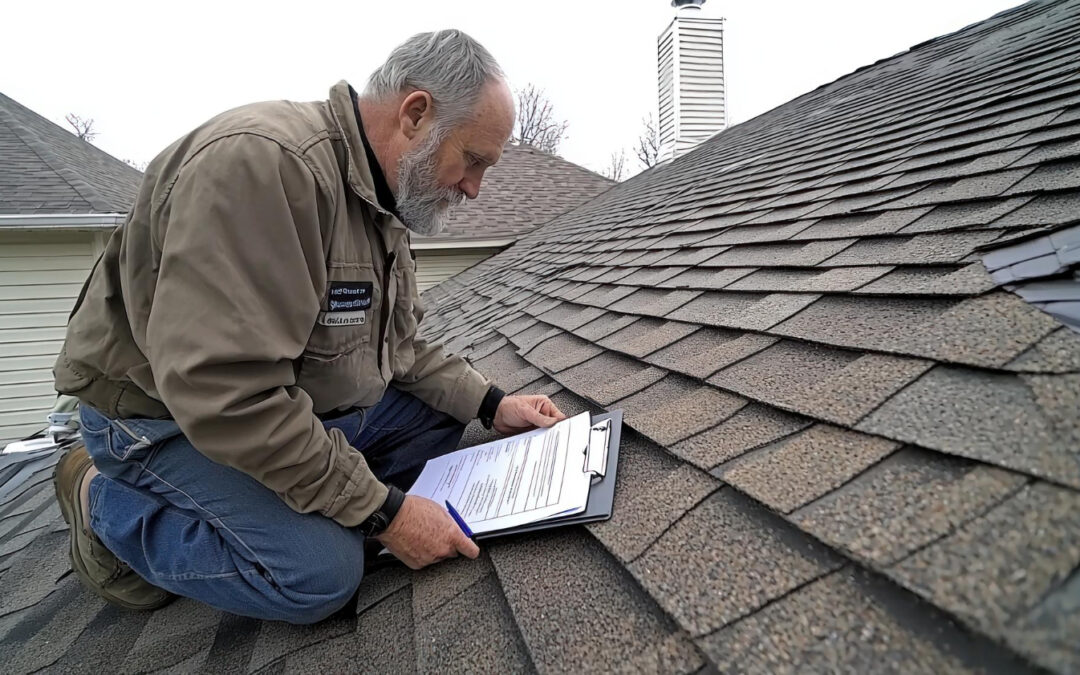
Heavy rain and flooding can severely damage roofs, leading to leaks and structural stress. Even subtle damage may lead to costly water ingress or leaks months later. With proper knowledge, quick preventive steps, and expert help, repair costs can be minimised.
Situated in the southwest, Devon has long, wet winters, with the most rain falling in the autumn and winter months. Short periods of heavy rain and flooding are common, caused by a combination of autumn gales and warm seas. Flooding in the countryside helps, but fire risk in the summer months increases when the area is saturated, and the risk to homes increases greatly. Heavy rain and flooding, however, can cause severe damage to buildings, particularly to roofs and gutters.
What heavy rain and flooding do to roofs
Rainwater can enter a roof in several ways. Small cracks around nail heads, broken or missing flashing, and even the unsealed edges of ridge capping and walls can all be entry points for rainwater. When the underlying roof decking becomes saturated and porous, it will soon sag with moisture, causing tape joints under the sheathing to open. Over time, the uplift caused by storm winds can tear away roof shingles or tiles, allowing rainwater to enter. When the rain is heavy, the risk of driving rain increases, and rain from the sides can cause problems where the roof and wall meet. Hail can cause marvellous holes, and large floods can deposit all kinds of bits and pieces on the roof. All these factors should be carefully looked for after every heavy rain.
The surface of a roof may appear perfectly sound after heavy rain, because sealing problems are often serious up in the roof. Constant downpipe ringing and slow leaks in ceilings or walls may be the only indications of leaks. Inside signs may be very distant from the actual roof leak. For example, it is not uncommon for water to run down the inside of framing timbers before appearing as stains on ceiling linings far away from the leak. Any damp patches on ceilings and walls should be examined closely. If small patches appear, especially after periods of fine weather, a roof leak is likely to be the cause. Ceiling timbers may be black with mould, and a close inspection should be made for signs of active fungus and rotting. If large patches appear or water actually drips from the ceiling, the problem is urgent, and an immediate repair is necessary to prevent further damage and costly repairs.
Common roof problems in Devon after floods
Following heavy rain and flooding, several issues frequently affect roofs in Devon.
Water leaks inside the home are a visible problem. Leaks are often seen as dark patches on ceilings or walls. Stains and mould indicate exposure to moisture. Water generally enters through broken shingles or tiles, damaged flashing around skylights or chimneys, or untreated holes. Older roofs are more likely to leak, and even minor damage can cause problems.
Missing, loose, or damaged roof coverings can also occur. Shingles or tiles may be lost altogether, or they may crack or warp. A few, or even just one, granular loss is seldom severe, but darkened areas may become brittle and bleach. At the same time, prolonged exposure weakens the underlying material and increases the risk of leaks. Wind-lifted tiles are usually recentered, but permanently curled tiles and missing bits need addressing soon, as do dark patches on flat felt areas and ridges that have lost firm cover.
After flooding, roofs may also show signs of compromised integrity. Ridge caps can crack or become dislodged. Flashings may peel away, corrode through, lose sealant, or shift beneath the covering material. Gutter and downspout blockages are also common: leaves, mud, and other debris can accumulate, forcing water to spill over and contributing to further flooding.
Sags, folds, and bending rafters indicate structural stress. External inspections identify roof sag and bent supports beneath the roof. Serious alarm signals include visible sagging beyond a few millimetres, heavily bowed rafters, and noise when walking upstairs or in the attic.
Moss, black and green algae, and wood rot appear once moisture persists for several days. Moss growth stains roofs and holds rainwater, which damages tile integrity. Algal colonies darkening surface texture decrease reflection and increase heat retention on flat felt roofs. Rot inside seldom becomes severe before detection, although external wood is often harder to find.
Water leaks inside the home
Leaking roofs are one of the most visible signs of damage caused by excessive rain. The accumulation of moisture, be it from a leaky roof, damaged tiles, mouldy ceilings, or mildew, is a clear indication of water intrusion. The source of this infiltration could be a damaged tile, a corroded gutter, or, in some situations, condensation forming in the roof that drips onto furniture or clothes. When there are heavy showers both outside and inside the home, it’s time to be cautious. The roof should be checked for broken tiles, and the ceiling and eaves on the top floor should be closely examined. The property owner should also give the eaves and gutters on the upper floors a close look for any stains or signs of moisture. If patches of damp mould and algae are observed in the interior of a roofed area, the moistness may not necessarily come from the roof—blocked gutters or water overflowing from the gutters and running over the wall could cause the same result.
Water can enter the building via different routes. A cracked tile or damaged lead flashing may allow rain to enter directly. The weight of water ponding in a quarry tile gutter (often found in Victorian properties) may cause it to crack, allowing rain to enter. A leaking flat roof may not be visible, yet the first signs of leakage into the living space could be paint peeling from the ceiling or mould growing in the insulation. If moisture gets into the roof space, the first signs may be the insulation losing its thermal performance (becoming wet) or the appearance of damp patches and mould. Speed is of the essence in preventing long-term damage, and a building owner cannot ignore these symptoms.
Missing or damaged shingles or tiles
Missing or damaged shingles or tiles are among the most common problems roofs suffer during a storm. Loss of shingles or roofing tiles exposes the roof decking to the elements, which, although well-constructed, can damage it from wind-driven rain or hail. If a shingle is torn, broken, or turned up, the underlying roofing felt may also be torn, and it will usually remain exposed to the next rain. Even when a shingle is gaining colour, the insulating material, usually glass fibres, has often been stripped out, and the shingle has been rendered weak so that future storms can lift or tear it off. If dampness is visible indoors, especially if it is staining a ceiling, the cause should be investigated, and interior walls should be checked for signs of dampness near wall corners, ceiling slopes, or other areas where tipping or rising damp is most likely to occur.
Because of wind, rain, and hail, roofing tiles may appear worse than they are. Tiles that are missing, cracked, or chipped should, of course, be replaced. Hail may cause breakage that is not apparent when viewed from the ground, so if the roof is visible only from a distance or at ground level, a local tile supplier or roof contractor should be asked if tiles of a similar age and appearance are in short supply. Coloured tiles have been pigment-sprayed, and hail damage has made the tiles more noticeable from a distance. Like a torn shingle, any tile forced closer to the bottom of the roof pitch by rising damp in the wall should be lifted carefully, the felt checked, and the tile returned to its position or realigned.
Roof ridge and flashing damage
Damaged roof ridges and flashing can cause leaks, wind damage, and deterioration of architectural features. Check for the following signs:
– Ridge caps cracked or displaced, exposing the roof structure to water.
– Flashing that is loose or corroded. While minor corrosion can be repaired, major rust should be replaced.
– Gaps at the intersections between flashing and other structures, indicating that the seal has failed.
Gutter and downspout blockages
Heavy rain and floods can obscure problems with gutters and downspouts, which may not be evident until the next downpour. Gutter blockages often result from leaf build-up but can also include mud, small stones, and debris washed in from roof disrepair or a burst pipe. When gutters overflow, one sign is water cascading over them. Blocked gutters can prevent downspouts from draining properly, leaving water to stand in the gutters. Water may also accumulate in low-lying sections of the gutter. All these issues can cause water to seep through joints, shutters, and doors.
Blockages in downspouts that prevent water from discharging may cause overflow and drip from the eaves. Water ponding against the building can cause further problems. Blocked gutters should be cleared as soon as possible, and efforts should be made to get water flowing through the downspouts again. Downspout blockages are not readily visible, but downpours causing overflowing gutters or wet ground near the base of the wall suggest they may be present.
Roof sagging and structural stress
Sagging is often clearly visible: domed slopes or dips between rafter positions. It warns of excessive load or structural stress caused by movement in other parts of the home. Creaking, cracking, or groaning noises indicate a problem, especially in the attic or on the upper floor. Because roof slopes are typically designed to shed water quickly, any standing or ponding water may indicate a blockage or defect. Excessive ice can also stress a roof. Some patterns of scarring in the underlay reveal the level of build-up—excessive pressure from above results in clear sagging.
The rafters supporting the roof cannot bend downwards beyond a certain point. When this warning is evident, the roof is either dangerously overloaded or some other supporting structure, often hidden from view, has moved out of its normal position. I think either situation requires urgent attention. Apart from standing water after very heavy rain, which is unusual for pitched roofs, any other evidence of holding water suggests a potential blockage that may need clearing sooner rather than later.
Moss, algae, and rot after moisture
Moss, algal blooms, and rot are often the result of higher-than-usual humidity or moisture levels persisting for several weeks. Moss colonies obtain moisture from the air and from the surface of the tiles. Moss does not damage ceramic tiles, but if the moss population becomes large enough, it can store enough moisture to cause vertical water movement. This movement will eventually weaken the sieve-like sections of the tiles. This means that even if the tile is not broken, water can seep into the roof structure’s wood.
A tile planted on a wooden surface gradually absorbs water. After many months, it becomes more fragile than damaged tiles, and numerous whirlpools become visible — a clear sign that the wood is rotting inside. The habitat of a tile may also be known by the leaves on the wooden silt. If the wooden sills are sagging and feeling soft, it is time to check the tiles in the upper parts of the house.
4. What to inspect after a storm
After a heavy rain or flood, homeowners should inspect their roofs to identify damage and needed repairs. These checks can be divided into two areas: what to look for on the exterior of the roof and what to look for inside the home.
Exterior checks
Look at the roof surface and surrounding areas for the following signs:
– Cracked tiles or missing pieces. Damage caused by hailstones or wind can often be spotted from the ground or with binoculars. Look for larger holes that expose the material below and cracks that may stretch to the edges of the tile.
– Loose soffit boards. Winds can lift interior panels and dislodge guttering from brackets or connections. These supports keep rainwater away from the roof and may need fixing.
– Damaged ridge caps or flashing. Cracked, displaced or missing ridge caps can indicate that strong winds have caused sections of the roof to move apart. Likewise, loose or corroded flashings or failed seals around chimneys, Velux windows and dormer roofs can lead to leaking during subsequent rain.
– Ponding water near the eaves. Excess standing water in low spots can indicate that the fall is not steep enough to ensure proper drainage of the roof area.
Interior checks
Next, check the ceilings for stains or other signs of water ingress:
– Dark patches or sagging areas. Please be sure to look for damp ceiling boards and discolouration. These may indicate a roof leak.
– Damp or rotting patches in the attic. On inspection of the roof space, damp insulation indicates water entry and requires immediate attention. Missing roof venting can cause a build-up of humidity and moisture in the timber framework, leading to mould and mildew. In contrast, hidden spots can cause serious rotting damage before being noticed.
– Mould in hidden places. Besides the ceiling and attic, the basement areas should be checked for mould growth from flooding moisture.
Exterior checks
After a storm, a thorough external check can help spot potential leaks. Look for cracked or broken tiles or shingles, especially on steeper roofs. Check for missing sections, which can lead to a quick rot of exposed boarding or rafters. On flat roofs, check for tiles or other items that may have blown loose. Ensure that the soffit hasn’t come loose, particularly hollow types where tiles can then be blown out. Ridge caps should be intact, and any that appear cracked or displaced may need urgent repair. Flashing around chimneys, vent pipes, and joints should be inspected. It may be difficult to see inside the joints, as water is often trapped behind them, so be alert for signs of leaks on the ceilings below. If downpipes are blocked, look for signs of overflow, such as damp ground or soil washed away around the foot.
Water ponding near eaves can sometimes occur after heavy rain, especially on flat or shallow slopes. Could you check for any signs of rot on exposed eaves, as this can cause them to collapse and allow water to enter the building? Roof coverings without a pitch can be more susceptible to pests, and some storm- and flood-related debris can increase this risk. The gutters can become blocked with leaves, mud, and other debris, leading to overflow. In the worst cases, they can collapse under the strain. If safe to do so, gutters and downpipes should be checked and cleaned as needed.
Interior checks
While checking the outside of the property, it is also essential to look inside, especially the top storeys, where water is most likely to enter. Any visible stain or damp patch on ceilings, walls, or wood should not be ignored. Results of moisture penetrating the roof are sometimes not visible for some time because the water travels a distance before saturating the interior. Dark stains can expand after drying, usually because the water was initially trapped and then spread out, darkening. In some cases, mould develops long before any surface discolouration and appears as patches of fluff. Mould can also appear on the underside of timbers supporting the roof.
In the attic, insulation near the eaves is the first to suffer from exterior leaks. If mould appears on the insulation, check the underside of the roof for stains, colour changes, or a rough surface. This may indicate ongoing moisture problems, as moss or algae disrupt the tile’s natural saltiness and allow the roof to absorb rainwater. Holy tiles require urgent attention because the roof’s insulation is compromised. Dampness in the roof space ceiling may indicate that the wood is not staying dry. Air flow through the roof space must be adequate; a build-up of heat and moisture can foster timber decay and encourage timber pests. So that you know, careful monitoring is then necessary.
Quick fixes to reduce damage
At times, immediate repair may not be possible. In such cases, protection against further damage is essential. This includes: covering small leaks with waterproof material, clearing gutters, securing loose flashing with tape, removing ponding water, and protecting indoor valuables.
Temporary measures may prevent large-scale damage and allow repairs to be carried out later. However, clear weather should be used to assess the roof for hidden damage and make necessary repairs.
When to call a professional
- Engaging a roofing professional is essential in many situations. Contact an experienced roofer whenever the following signs appear:
- Active leaks. Persistent droplets, large moisture patches, or stained areas beneath the roof indicate serious problems that require immediate attention.
- Significant sagging. Widespread or dramatic sags could signal structural distress. Roofs with visible drops or bends in the rafters require specialised scrutiny, as the load may exceed design limits.
- Large damaged areas. Most roofs have a finite lifespan, often around 20–30 years. Call a professional when the total area of missing, broken, or severely faded tiles exceeds 20% of the roof surface.
- Unreliable flashing. Metal joints on the roof shield critical spots such as chimneys and valleys. Maintaining these seams in good condition is much easier than replacing corroded or blown-off metalwork
- Suspicious noises in the attic. Creaking and groaning rafters are especially concerning when humidity rises, as timber naturally bends, swells, and shrinks. Bending components should not be heavily loaded; remove non-essential items to reduce the risk of damage.
How to prevent future problems
Future heavy rain and flooding in Devon could cause roofing problems just like those that occurred when last week’s rainfall saturated the ground. Although it is impossible to eliminate response, anticipating future groundwater saturation makes prevention far more effective — and less expensive — than response. Single most important: eliminate standing water around the foundation by improving drainage. Slow-moving water from neighbouring properties also needs better drainage. Rapidly moving water can shred saturated soil, depositing mud and leaves and limiting access, even for clearance. Installing inlet swales or pipes upstream reduces the accumulation, and installing a silt trap ahead of existing drains prevents them from blocking. Permanent silt traps with dewatering facilities are cheaper than redundant clearance contracts.
Debris completely blocking downspouts is rare. Cleansing reduces the risk of overflow and provides incidental notice of more serious blockages behind. Installing mesh guards prevents leaf accumulation, but mud quickly compacts, requiring manual removal. Regular inspections of all gutters and downpipes after a heavy storm enable faster preventative clearance. Planting moss caps on pitched roofs is futile. Prevention is best. Regular low-impact control improves naturally dry areas. Persistent dry spells eliminate it. Routine mechanical clearance after protracted dampness helps to prevent timber corrosion.
Given last week’s rainfall and the imminent threat of continued ground saturation, a more rapid assessment would further reduce the risk. Any visible damage needs urgent attention, especially leaks inside the building envelope. Sagging rafter junctions, bed posts, or ceilings signal overloading and require assessment. Once basic roof integrity is established, a simple checklist for a full survey can help expedite the survey and clearance.
Conclusion
Heavy rain and flooding in Devon can take an enormous toll on roofs. Even a seemingly small leak may cause extensive damage behind walls or in ceilings, and be unsightly for a long time. Common problems after heavy rain and flooding include water leaks inside the home, missing or damaged shingles or tiles, cracks in the roof ridge or damage to roof flashing, blockages in gutters and downpipes, sagging roofs and structural stress, and the development of moss, algae, and rot.
When storms pass, it is good practice to examine the roof, both inside and outside, to identify any signs of damage and help prevent further damage. Minor protective works, such as covering small leaks and clearing gutters, can lessen the risk of further damage until a contractor can carry out repairs. A professional should be called if there is an active leak, significant sagging, a roof area damaged by wind or water, the roof is old, there are complex flashing details, or there are unusual noises from the roof or ceiling.