When it comes to roofing in Devon and Cornwall, homeowners and businesses face a unique set of challenges. The region’s distinct climate, characterised by frequent rain and strong winds, coupled with its rich architectural heritage, demands careful consideration when selecting the perfect roofing material. This guide will walk you through the critical factors in making this important decision, helping you choose roofing materials that ensure durability, aesthetic compatibility, and compliance with local regulations.
Understanding Devon and Cornwall’s Climate Challenges
Devon and Cornwall are renowned for their picturesque landscapes, but the weather can prove challenging for roofs. The South West of England experiences high levels of rainfall, with parts of Devon and Cornwall receiving over 1,000 mm per year. The region is also subject to strong winds, especially during winter storms, which can cause significant wear and tear on roofs.
Coastal properties, in particular, must endure the corrosive effects of salt-laden air, which can accelerate the deterioration of certain materials. Given these conditions, choosing a roofing material that can withstand moisture, resist wind damage, and deflect UV radiation is crucial. At Noah’s Roofing, we understand these challenges and can provide expert guidance tailored to your property’s needs. For more detailed information on how weather affects your roof, visit our emergency roof repair page.
Honouring Heritage Architecture
The architectural heritage of Devon and Cornwall is a source of pride for residents and a significant draw for tourists. Towns and villages are dotted with historic buildings featuring unique styles that must be preserved. The choice of roofing material should not only protect but also enhance these historic structures.
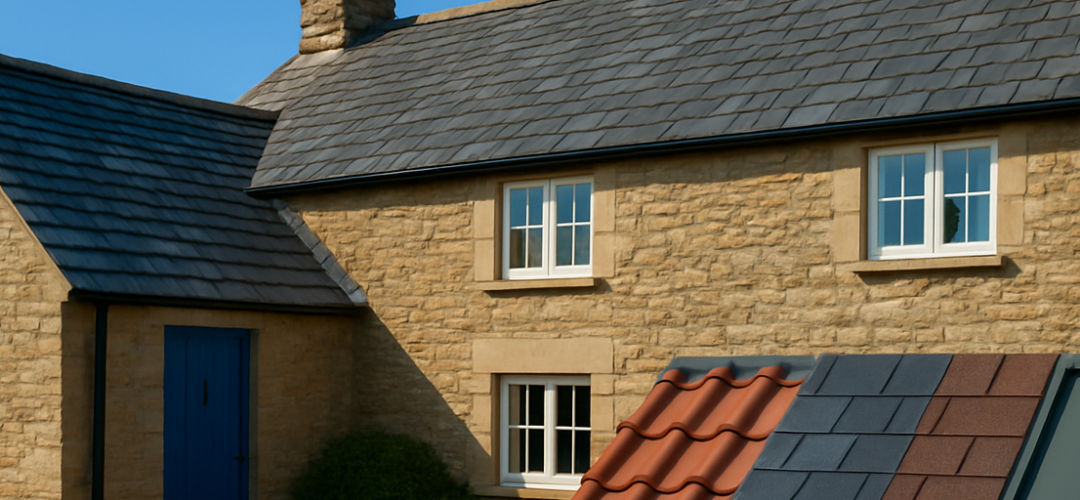
Slate is a traditional and popular choice in the region due to its long lifespan and classic appearance. Many of Devon and Cornwall’s heritage buildings feature slate roofs, which can last over a century with proper maintenance. Alternatively, clay tiles offer a warm, rustic aesthetic that complements many historic homes.
However, preservation of heritage architecture often comes with regulations. It is essential to consult with local planning authorities, such as the Cornwall Council or Devon County Council, to ensure any roofing work complies with conservation requirements. At Noah’s Roofing, our experienced contractors are well-versed in these regulations and can guide you through the process seamlessly.
Evaluating Roofing Material Options
Choosing the right roofing material is about balancing aesthetics, durability, and cost. Here’s a breakdown of some popular options:
- Slate: As previously mentioned, slate is highly durable and offers a timeless look. However, it can be heavier and more expensive than other materials. Nonetheless, it’s an excellent investment for long-term performance.
- Clay Tiles: These tiles come in various colours and shapes, offering flexibility in design. They perform well in coastal climates but may require stronger structural support due to their weight.
- Metal Roofing: Metal roofs are gaining popularity due to their lightweight nature and durability. They are resistant to extreme weather conditions and can last up to 50 years. Noah’s Roofing offers comprehensive metal roof solutions for those considering this option.
- Thatch: While not as common, thatched roofs are a part of the region’s heritage. They offer excellent insulation and a unique aesthetic but require specialised maintenance and regular inspections.
Considering Energy Efficiency
With rising energy costs and environmental concerns, energy efficiency is a crucial factor in choosing roofing materials. Energy-efficient roofs can significantly reduce heating and cooling costs, making them a worthwhile investment.
Metal roofs, for example, are reflective, helping to deflect the sun’s rays and reduce cooling costs in the summer. They can be especially beneficial in Devon and Cornwall, where summers are getting progressively warmer. Slate and clay tiles also offer natural insulation but may require additional measures to maximize energy efficiency.
Installing a quality roofing system not only contributes to energy savings but also enhances property value. At Noah’s Roofing, we provide a range of loft makeovers that can be integrated with energy-efficient roofing solutions, further improving your property’s energy profile.
Choosing the Right Roofing Contractor
The success of your roofing project largely depends on the contractor you choose. A reputable contractor will ensure correct installation, which is crucial for the longevity and performance of your roof. Here are some tips for selecting the right contractor:
- Check Credentials: Ensure the contractor is fully qualified and has a solid track record in the region. At Noah’s Roofing, our contractors are highly skilled and have extensive experience with various roofing materials and challenges.
- Seek Local Expertise: A contractor familiar with Devon and Cornwall’s unique climate and heritage architecture will be better equipped to provide tailored solutions.
- Read Reviews: Customer feedback can offer valuable insights into the contractor’s reliability and quality of work. Visit our website to explore our customer reviews and gain confidence in our services.
For businesses and families in Devon and Cornwall, finding the right roofing solution is key to protecting their properties against the elements and honouring the region’s architectural heritage. With the guidance of a trusted and experienced contractor like Noah’s Roofing, you can make informed decisions that ensure both practical and aesthetic satisfaction. Explore our services and get a quote today to embark on your roofing journey with peace of mind.
Get in Touch
If you need roof repair or new roof contact us. We are your local roofing expert team.
Call us: 07904 717 311