When it comes to safeguarding homes in the picturesque regions of Devon and Cornwall, achieving optimal roof drainage is crucial. The unique weather conditions in these areas, characterised by frequent rain and high winds, necessitate roofs that can effectively manage water runoff. Without proper drainage, homes can suffer significant water damage, leading to costly repairs and diminished property value. In this guide, we will explore essential tips for ensuring effective roof drainage, protecting your home from potential water damage.
Understanding the Importance of Roof Drainage
Roof drainage is more than just a functional necessity; it is a critical component of your home’s defence against the elements. In Devon and Cornwall, where the average annual rainfall can exceed 1,200 mm, efficient water management systems are essential. Poor drainage can lead to a host of problems, including waterlogging, mould growth, and structural damage. Furthermore, clogged gutters and downspouts can cause water to pool, increasing the risk of leaks and eventual roof failure.
What sets homes in Devon and Cornwall apart is their exposure to coastal climates, which can exacerbate these issues. The salt-laden air can accelerate corrosion of roofing materials, making regular maintenance and proper drainage all the more vital. Recognising these unique challenges, homeowners can take proactive steps to protect their properties.
Key Components of an Effective Roof Drainage System
An efficient roof drainage system comprises several elements working in harmony to direct rainwater away from your home. To ensure optimal performance, consider the following components:
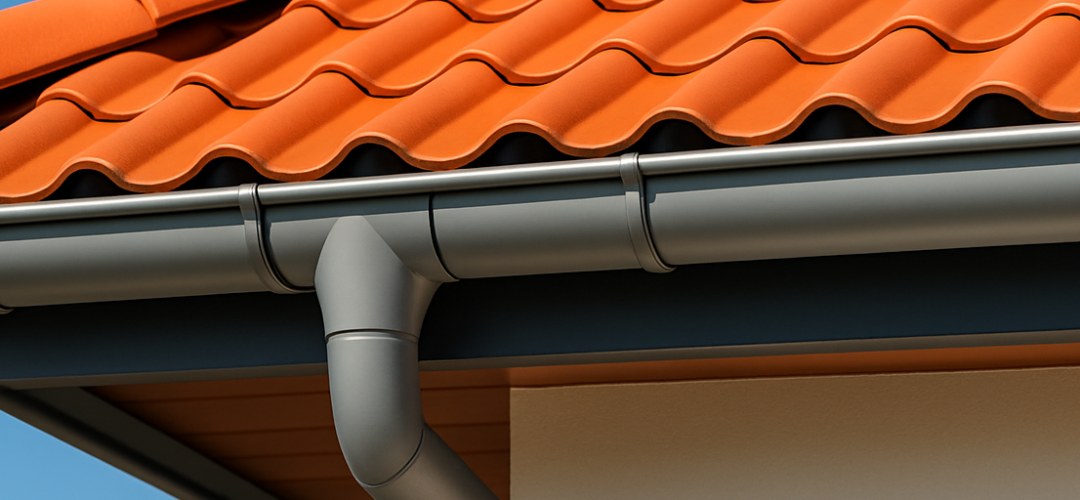
- Gutters and Downspouts: These are the primary conduits for channeling water from the roof to the ground. It’s vital to keep them free of debris to prevent blockages.
- Roof Slope and Pitch: The angle of your roof affects how quickly water runs off. A steeper pitch generally allows for faster drainage.
- Drains and Scuppers: Particularly important for flat roofs, these components help prevent water from accumulating.
- Soffits and Fascia: These protect the roof’s edge and provide critical support for gutters, enhancing the overall drainage effectiveness.
To maintain these components, regular inspections by a professional roofing contractor, such as Noah’s Roofing, are recommended. Their experienced team can assess your roof’s condition and address any emerging issues before they escalate.
Practical Tips for Maintaining Roof Drainage in Devon and Cornwall
Given the region’s challenging weather conditions, implementing these practical tips can help keep your roof drainage system in top shape:
- Regular Inspections: Conduct bi-annual roof inspections, ideally in spring and autumn. This allows you to identify and rectify issues such as sagging gutters or damaged shingles.
- Clear Debris: Regularly remove leaves, twigs, and other debris from gutters and downspouts. This is especially important after stormy weather.
- Trim Overhanging Branches: Trees near your home can deposit debris on your roof. Trimming branches back can prevent clogs and reduce maintenance needs.
- Use Gutter Guards: Installing mesh or screen covers can help keep gutters clear and reduce the frequency of cleaning required.
- Professional Maintenance: Trust professionals like Noah’s Roofing to perform thorough maintenance checks, addressing complex issues such as roof repairs or gutter alignments.
These steps not only prolong the life of your roof drainage system but also provide peace of mind during Devon and Cornwall’s notorious rainy seasons.
Recognising and Addressing Drainage Problems
Even with the best preventive measures, drainage issues can sometimes arise. Recognising the signs early can prevent more extensive damage. Look for the following indicators of drainage problems:
- Water pooling on the roof or water stains on ceilings.
- Overflowing gutters or downspouts during heavy rain.
- Mould, mildew, or peeling paint on your home’s exterior walls.
- Sagging areas on the roof or around gutters.
If you notice any of these signs, it’s important to act quickly. Engaging with a reputable roofing service, such as Noah’s Roofing, can ensure that issues are promptly and effectively resolved. Their skilled contractors are equipped to handle everything from minor repairs to comprehensive drainage system overhauls.
Future-Proofing Your Roof Drainage System
Investing in the future of your home involves planning for long-term sustainability and efficiency. Here are ways to future-proof your roof drainage system in Devon and Cornwall:
- Upgrade Materials: Consider modern, weather-resistant materials that can withstand the region’s harsh climate. For instance, metal roofs offer durability and excellent drainage capabilities. Learn more about the benefits of metal roofing here.
- Implement Advanced Systems: Explore installing smart drainage systems that offer features such as self-cleaning mechanisms or automated monitoring for blockages.
- Water Conservation: Integrate rainwater harvesting systems that not only aid in managing runoff but also provide eco-friendly water solutions for your garden.
- Regular Training and Updates: Stay informed about the latest roofing technologies and drainage solutions by consulting with industry experts like Noah’s Roofing.
By adopting these strategies, you can enhance the resilience of your home’s drainage system and adapt to any future environmental changes.
Devon and Cornwall’s distinct weather demands an exceptional approach to roof maintenance and drainage. By following the advice outlined in this guide, you can confidently protect your home from potential water damage. For all your roofing needs, whether it’s routine inspections, emergency repairs, or new installations, trust the expertise of Noah’s Roofing. Their commitment to excellence and customer satisfaction ensures your home remains a safe and secure haven against the elements.
Get in Touch
If you need roof repair or new roof contact us. We are your local roofing expert team.
Call us: 07904 717 311