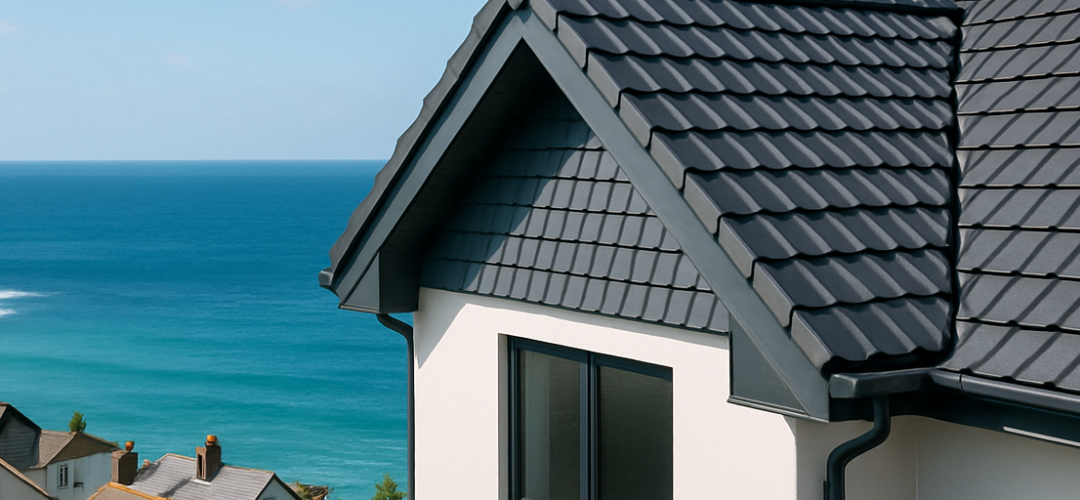
Living by the coast in Devon and Cornwall offers breathtaking sea views, a tranquil lifestyle, and a close-knit community. However, the proximity to the ocean also brings unique challenges, especially when it comes to maintaining the integrity of your home. Coastal climates can be harsh, with high winds, salt spray, and heavy rain all taking a toll on your roofing system. As a homeowner in these picturesque counties, fortifying your roof against the elements is not just wise; it’s essential. At Noah’s Roofing, we understand the complexities of coastal roofing and are here to provide insights into creating a weather-resistant roofing system.
Understanding Coastal Weather Challenges
The weather patterns in coastal areas can significantly affect roofing materials and installations. Devon and Cornwall experience a maritime climate characterised by strong winds, higher rainfall, and the ever-present salt from the sea. These factors can accelerate the deterioration of roofing materials, leading to leaks, structural damage, and costly repairs.
According to the Met Office, the South West region experiences an average of over 1,100 mm of rainfall annually. Additionally, the winds that buffet these coastal areas can reach speeds upwards of 50 mph during storm events. This combination of wind, rain, and salt can be particularly damaging to roofs that are not designed to withstand such conditions.
Choosing the Right Roofing Material
When it comes to fortifying coastal homes, selecting the appropriate roofing material is crucial. Materials such as slate, clay tiles, and metal are widely regarded as excellent choices for coastal properties due to their durability and resistance to harsh weather conditions.
- Slate: Known for its longevity and aesthetic appeal, slate is a popular choice for coastal homes. Its natural composition makes it resistant to salt and water, ensuring a prolonged lifespan.
- Clay Tiles: Clay tiles are not only durable but also offer excellent protection against salt corrosion. They are ideal for their ability to withstand high winds and driving rain.
- Metal Roofing: Metal roofs, particularly those made from materials like aluminium or zinc, are highly resistant to corrosion and can withstand severe weather conditions. Learn more about metal roofing options with Noah’s Roofing.
Each of these materials has its own advantages, and the best choice depends on specific needs and preferences. Consulting with experts like those at Noah’s Roofing can help you make an informed decision.
Implementing Effective Roofing Design
Design plays a pivotal role in ensuring a roof can withstand coastal weather. A well-designed roof will efficiently shed water, resist wind uplift, and offer adequate insulation. Here are some design strategies to consider:
- Pitch and Slope: A steeper roof pitch can enhance water runoff, preventing water accumulation and potential leaks. It also reduces wind uplift pressure, making it more resilient against strong gales.
- Overhangs and Eaves: Adequate overhangs can protect walls from driving rain. However, they should be designed to minimise wind resistance.
- Ventilation: Proper ventilation is crucial to prevent moisture build-up, which can lead to mould and decay. Ensure that soffits and ridge vents are part of the design.
At Noah’s Roofing, we specialise in designing and installing roofs that adhere to these best practices, ensuring your coastal home remains protected year-round. Discover more about our pitched roofing services for an ideal solution.
Regular Roof Inspections and Maintenance
Prevention is better than cure, particularly when it comes to maintaining your roof. Regular inspections and maintenance can help identify potential problems before they escalate into major issues. This is especially important in coastal areas where the roof is constantly battling the elements.
During an inspection, professionals will check for signs of wear and tear, such as cracked tiles, loose slates, or damaged flashing. It’s also crucial to ensure that gutters and downspouts are clear of debris to prevent water damage. At Noah’s Roofing, our experienced contractors provide thorough inspections to keep your roof in top condition. If you need immediate assistance, our emergency roof repair service is available to address urgent issues swiftly.
Using Advanced Protective Coatings
Protective coatings are an additional layer of defence for your roof, particularly in combating salt-induced corrosion and water ingress. These coatings can significantly extend the lifespan of your roofing materials by adding a barrier against the elements.
Waterproof coatings, for example, can be applied to tiles and metal surfaces to prevent water penetration, while anti-corrosive treatments can protect metal roofs from rust. By investing in these protective measures, homeowners can ensure their roofs remain resilient and aesthetically pleasing for years to come.
Conclusion: Secure Your Coastal Home with Noah’s Roofing
Living in Devon and Cornwall offers a unique blend of beauty and challenges. Ensuring your coastal home is equipped with a weather-resistant roof is essential for protecting your investment and maintaining your comfort. By choosing the right materials, employing strategic design, and committing to regular maintenance, you can significantly enhance your roof’s longevity and performance.
Noah’s Roofing is dedicated to providing top-notch roofing solutions tailored to the specific needs of coastal properties. From lead roof repairs to comprehensive installations, our team is here to assist you every step of the way. Trust in our expertise, and let us help you fortify your home against the ever-changing coastal climate.
For more information about our services and to request a quote, visit our website. Whether you’re in need of repairs or planning a new installation, Noah’s Roofing is your go-to partner for all roofing needs in Devon and Cornwall.
Get in Touch
If you need roof repair or new roof contact us. We are your local roofing expert team.
Call us: 07904 717 311